Water is essential for the maintenance of life across the planet. In an adult individual, for example, water makes up about 60% of the organism . Therefore, this resource is essential for the hydration of humans and also animals and plants. In addition, water acts directly in the transport of substances, regulates body temperature and is essential for the body’s chemical reactions.
Among several other functions of water, we can mention the maintenance of the Earth’s atmosphere, which provides the ideal climate for the survival of life on the planet, as well as for agriculture and the economy.
However, despite the fact that 71% of the Earth’s surface is covered by water, only 2.5% of this available amount is fresh . Furthermore, the mechanisms for the renewal of this resource are few, slow and limited, which makes drinking water a finite resource. Thus, to avoid depletion, it is necessary to implement measures to avoid waste.
In this sense, with the concern of scarcity in mind, techniques began to be developed to make salt water potable, such as the desalination of sea water. In this article, we’ll cover what this process is, what the steps are, how it works in practice, and what the costs are involved. Check out!
What is the seawater desalination process? Salt water, or sea water, represents about 97% of the entire planet’s water . However, it is unfit for consumption. First, it contains high levels of sodium chloride, the same salt used in food preparation.
When there is an excess of this substance in the body, cells begin to lose water in a process called osmosis, causing dehydration. This condition is quite dangerous for health, since water is essential in various chemical reactions and body functions. In addition, seawater is rich in some salts that can irritate the lining of the gastrointestinal tract.
However, experts believe that this highly available resource is being wasted. That’s because there are ways to remove excess sodium chloride and other salts from sea water, as well as microorganisms and other components that are harmful to health, making it ideal for consumption.
What are the steps in this process? There are basically three sensitive parts in the desalination process: the capture, the treatment itself and the disposal of the tailings. Better understand each step below.
fundraising The first phase of the desalination process is the capture of sea water. Therefore, it is possible to build Pumping Stations close to the beaches, as well as capture it through channels, wells or infiltration galleries.
Treatment Within the treatment stage, it is possible to use various processes, such as filtration, flotation, ultrafiltration, evaporation/distillation, reverse osmosis and remineralization, as well as combining the techniques to achieve more efficiency.
The best known processes are the use of ultrafiltration membranes in reverse osmosis, as well as evaporation/distillation.
Ultrafiltration and Reverse Osmosis In this case, the passage of sea water occurs through membranes with selective permeability. During desalination using the reverse osmosis technique, the passage of water through the membrane water purification companies occurs because the external pressure is greater than the existing osmotic pressure, which makes the liquid move from the side with the highest concentration of salts to the side with the least concentration of salts . The goal is to reverse the natural process of osmosis.
The membrane used promotes ultrafiltration, as it is made of semi-permeable and synthetic material, with a thickness of less than 1 micron. When water moves through it, impurities are retained and, thus, the separation of salts, minerals and other contaminants that made the water unsuitable for consumption occurs.
Evaporation Thermal distillation, or evaporation, mimics the natural cycle of rain to promote desalination. By means of energy, which can be fossil or solar, sea water is heated and thus changes from a liquid to a gaseous state.
The solid particles will be retained in the reservoir, while the evaporated water, already without mineral salts, will be captured by a system that will cool it and make it return to a liquid state.
tailings disposal Wastewater from desalination has a high concentration of salts, minerals and other compounds, including waste toxic to marine life. Furthermore, in some cases, such as in the evaporation process, the water resulting from the treatment is at a different temperature from that found in the sea, which can cause negative impacts.
Therefore, it is necessary to distribute the tailings without impacting marine life and the soil, as the tailings are often returned to them and to water courses. For that, there are several techniques, such as evaporation basins or ponds, brine concentration and crystallization, reduction of the waste volume by aquatic plants in ponds and percolation basins and irrigation of halophyte plants, that is, plants that accumulate large amounts of salts inside.
Is there feasibility to apply desalination of sea water? Desalination of sea water is very common in desert regions, such as the Middle East, or with limited availability of drinking water , such as in Africa. However, the use of this technique is not restricted to just these places, being widely used around the globe, mainly in Spain and the United States.
In Brazil, this idea has been applied since 2004 with national technology. The result is 575 desalination systems in operation: 234 in Ceará; 44 in Paraíba; 29 in Sergipe; 10 in Piauí; 68 in Rio Grande do Norte; 45 in Alagoas; and 145 in Bahia. In addition, we have 147 stations under construction. Other states, such as Pernambuco, Minas Gerais and Maranhão, are already in the initial stage of diagnosis. In total, we have 924 systems contracted in the country, in the most diverse phases of the process.
A negative point is that seawater desalination plants, especially large ones, demand a high consumption of electricity. However, as Brazil has a high incidence of sunlight, it is possible to use this energy to move the plants. Another topic that deserves attention is the need to have an adequate management plan for the waste involved in the process.
As seen, seawater desalination is a process that is here to stay, and should be understood as one of the necessary alternatives for the management of water resources, continuity of industrial development and population growth.
Like dog age, the average lifespan in cats is 14 years. However, it is not so easy to calculate cat years , since it is not the same as with dogs, where one year equals 7 years. Unlike humans, cat years are not linear, it is the first two years of your cat the fastest growth occurs, these would correspond to 24 years in human age . From this moment on, the cat would already be developed and the curve would begin to align. So each year of your cat would be equal to 4 or 5 years of humans.
To make cat years easier, look at the following images where we explain it better:
We recommend our blog: Hair loss in cats
Indoor cats Indoor cats (indoor) are as their name implies, cats that are used to living in a house and have different customs from outdoor cats (outdoor). cat food price in bd
Outdoor cats Outdoor cats are the opposite and everything that implies indoor cats.
In outdoor cats, the number of cat years is higher than in indoor cats in relation to human years.
THE KEY IS TO BE ALERT TO YOUR CAT’S GROWTH AND TO ACCOMPANY IT TO HAVE A HEALTHY OLD AGE. IT IS IMPORTANT TO DO ANNUALLY BLOOD CHECKS FROM 9 OR 10 YEARS OLD TO KNOW THE STATUS OF METABOLISM, WHICH TENIES DETERIORATED IN THE THIRD AGE.
Waste water undergoes primary, secondary and tertiary treatment before it is reused for almost any alternative purposes. The black water and the grey water are the two basic classification of waste water. The determining factors in treating are the facilities available and the amount of waste that is targeted to be taken from the waste water. This calls for different types of treatment and purification processes before it could be made designed for any alternative uses.
Waste water could be broadly classified into grey water and black water. It signifies the water that comes from clean sources and whatever doesn’t contain human wastes or any other potentially harmful substances that pollutes the environment. It includes mostly that arises from dish washing or laundry cleaning.
Black water since the name signifies contains human waste and can’t be reused without proper processing. When water is gone through different degrees of processing it ensures reduction of contaminants and also ensures cleaner. You can find 3 effective treatment methods and garrett metal detector price in bangladesh before these purification processes, waste water undergoes a pretreatment process. This method helps in removing larger wastes that has chances to clog the pumps and cause delay in the principal treatment.
Primary treatment is an activity where heavy solids which can be contained in the water to be in on to different layers of removable waste. This treatment ensures heavy wastes getting settled in the underside and oil, greases and other lighter waste materials floating at the top.
Secondary water treatment is really a specialized procedure that helps in removing the microbial unicellular life or the large amounts of microbes. This method also involves the usage of filter beds that helps in the oxidation and purification of water.
The Industrial Revolution took place in the early 18th century starting in Great Britain and spreading globally. During the period of the Industrial Revolution, the greatest changes were experienced at the social, technological and economic level of humanity.
The change started with the most revolutionary invention in all of history: the steam engine. This would propel the ensuing revolution and the impulse of society to a professional and social future totally different from what the population was used to.
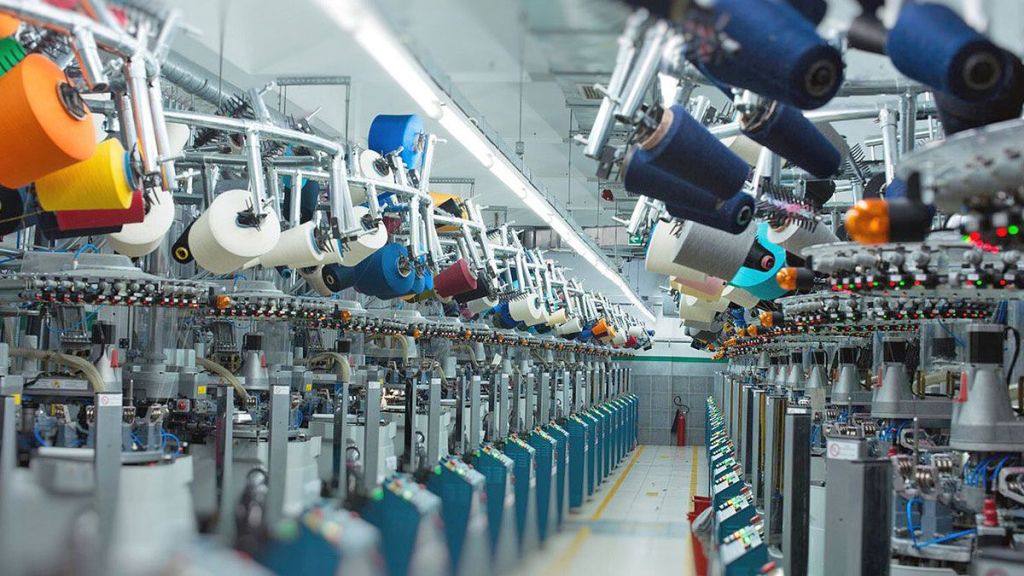
FIRST CHANGES IN INDUSTRIAL TEXTILE MACHINES Mechanical and technological changes facilitated and improved factory production. One of the factory sectors that was influenced by all these advances was the textile factories. The textile industry apparel manufacturer in bangladesh was already one of the most important in society at the beginning of the 18th century and, after the industrial revolution, it gained even more notoriety.
The machines were, for the most part, powered by steam, although other types of energy are being used, such as wind power, among others. The railroad and the steam engine facilitated the transport of goods, that allowed to increase the trade of these and, therefore, as more was sold, more was produced.
What were the most important inventions of the industrial revolution? What were the most important inventions of the industrial revolution? During the first stage of the Industrial Revolution, many natural means and energies were exploited, capitalism was established as a world economic system and different social classes appeared, such as the proletariat and the industrial bourgeoisie, in which the entrepreneurs of the factories and companies that formed part they came out beneficial from this process of social, economic and technological change.
These improvements in machinery, transport and commerce, led to the abandonment of the populations in the countryside to move to the cities where the level of opportunities was increasing and there were more resources in all areas of society.
EVOLUTION OF INDUSTRIAL TEXTILE MACHINES The textile industry began as a set of manual processes. When the time of the Industrial Revolution arrives, the processes change with the new industrial machinery that facilitates the making and production of fabrics from raw materials.
The change from working in small workshops to working in large factories, especially of cotton fabrics, causes an increase in the production and consumption of this material. Cotton was one of the materials, whose production was greatly increased.
Other machines were also invented such as shuttles that produced at a much higher level compared to before the Revolution and all the mechanical and technological changes of the time. more
These changes brought about great profits and benefits, both for the entrepreneurs and for the society of the time, production is increased with lower costs and, as we have said before, the era of capitalism begins as we know it today.
INVENTS OF THE XVIII CENTURY THAT CHANGED THE RHYTHM OF SOCIETY The invention of the steam engine changes the cycle of society and humanity as it was known until now. But there were other inventions that also changed the rhythm of society and the way we do things from day to day.
Spinning machine. Very significant increase in production in textile factories. It allows to spin fine and thick threads. Cotton gin. Cotton became one of the first materials in textile production, but its collection and separation was very complicated and tedious, which reduced production. With the invention of this machine, production is increased and the United States becomes the main exporter of cotton. Power loom. It allowed inexperienced people to work with these machines, thanks to the already incorporated templates. In this way the production could be the same, even if there was no work experience. Telegraph. The invention of the telegraph changes the conception of communication that was known until now. Long-distance communications grew at the same time that factory production grew, which facilitated commercialization.
All living organisms consume water on a regular basis, since this is the most basic requirement to fulfill if we want our cells, organs and blood to be able to function. We could say that water is not only a requirement for life, but it is life itself. Many times we obtain this precious liquid in any way we can, since our body asks for it and once we start to feel thirsty it is difficult to do anything to satisfy it. However, even if drinking tap water or any method that is at hand can be something fast, it is not always the healthiest for our body, in fact, we can say from now on that drinking purified water is the most recommended, especially If you think about your health in the future, in this article we explain why.
Differences between purified water and conventional water Although today many parts of the world have drinking water throughout its population, the fact that the water is “drinkable” does not mean that it will bring you benefits, it simply means that it will not bring you any major disease if you drink it. But is it worth the risk? Common sense tells us no, which is why we all have filters and additional purification methods that help us supplement the “clean” water treatment provided by the state.
Water companies add a lot of chlorine to kill bacteria. This in turn is bad news for our health as it causes skin flaking, itching, irritation, hair damage and unexplained fatigue. Especially when hot water becomes steam and a large amount of chlorine enters our body when we breathe and through the pores of our skin. Over time, being exposed to chlorinated water can cause respiratory illnesses, skin problems, and serious health problems.
Why is it important to drink purified water? Filtering or boiling water is almost a common sense practice, despite the aforementioned. Since we know that over time, after drinking many liters of conventional water, there is the possibility that there may be an accumulation of unwanted factors within our bodies.. After all, water treatment processes focus on efficiency and use chemicals like chlorine, as they are designed with the intention of supplying drinking water to large areas of the population. But the truth is that they are not perfect and that they are always prone to the error of some carelessness on the part of the human. Taking that extra step that guarantees us security when it comes to protecting our body and that of our close ones, purifying the water we drink every day, is what makes the difference between a healthy and long – lived human from a normal one.
Benefits of drinking purified water Let’s see some of the main benefits of drinking purified water, using a water purification method such as the 8-Stage Water Purifier , which allows us to easily obtain healthy and efficient hydration in any environment, whether at work or family. ro membrane price
Savings: Change the jugs and bottles of conventional water for a natural water purifier and save between 30% – 70% monthly in expenses. Efficient: Drink all the water you want without worrying. The purifier takes care of cleaning the water for you. Rest assured that you are protected. They are also very easy to maintain.
Health: Drink natural mineralized and ionized water, totally free of toxic agents that your body and that of your loved ones may have. Remember that more than 60% of your body weight is pure water .
Ecological: Reduces the impact of conventional water service on the health of the planet. It does not consume energy or leave a carbon footprint or non-perishable waste, such as plastics and everything related to the transport industry and industrial water treatment. In conclusion, it is not necessary to go deeper to know that the right thing to do is to go for the most natural and healthy. We at Agua y Salud provide you with the means, but the final decision is yours. Get one of our quick and easy installation kits now and drink the highest quality purified water every day.
The body of an adult contains more than 50% water. Therefore, our health depends on the quality of the fluid we consume. Today I want to introduce you to interesting facts about water, types and sources of pollution. I will also talk about the main methods of obtaining a liquid that is suitable for consumption.
Why does a person get old?
Agree, an interesting question. There is no definite answer to it, but there are some theories. One of them – the reason for aging lies in the inability of body cells to keep the water level at a level sufficient for all metabolic processes. For clarity, I will give a diagram:
That is, the older we get, the less water cells and internal organs contain.
What kind of water is in the body The fluid in the body is different from the usual one. It has a different structure that is similar to ice. The body independently brings water to this state. Scientists have proven that the constant use of low-quality water can cause irreversible negative processes in the development and life of the body. Harmful impurities can change the cellular structure.
How is water contaminated? The process of saturation of water with harmful substances arises from human activities and natural ways. There are about 400 sources of artificial water pollution.
Among them, there are 3 groups:
chemical (oil, metals, pesticides); physical (radiation); biological (viruses, bacteria, microorganisms).
Natural pathways for freshwater pollution are underground waters with a high mineral content, as well as sea waters that can enter underground waters. Surface and underground waters are polluted. The latter are the most dangerous, since water through wells and wells directly (without purification and treatment) gets into the disposal of people. In this case, water can spread over a distance of tens of kilometers from the place of pollution. Complexes for water purification are a way out of this situation. But we’ll talk about this later.
How untreated water affects human life Depending on the impurities, the water can be suitable for consumption for food and household purposes. However, at the same time, its quality deteriorates significantly. Therefore, it is acceptable to use only pure water without impurities. Let’s consider several types of water pollution and highlight the consequences of its use by humans.
Suspended substances that do not dissolve in water. For example, clay and sand. They give the water a cloudy color and make it unsuitable for drinking and use for laundry, dishwashing and other purposes. Organic matter (natural and man-made). For example, animal waste, decomposition products, oil, acids. Contribute to the appearance of an unnatural color, odor. The use of such water Bacteria and microorganisms. Water often has the usual clarity and taste. The presence of harmful elements can only be detected in laboratory conditions. The use causes poisoning, indigestion, infectious diseases (cholera, typhus).
Hardness salts. These include calcium and magnesium salts. When their content is increased, the liquid becomes unusable. In such water, detergents do not foam, food is cooked for a long time. It also contributes to the appearance of scale in water heaters, kettles. Constant drinking can lead to the deposition of stones in the internal organs. Manganese and iron. The main g ion resin water purifier signs of such impurities are rich color (rusty, brown, red, black) and metallic taste. Iron content increases the risk of cardiovascular disease and liver disease. Manganese accumulates in the body and is toxic in large quantities. Nitrates, ammonia. Their increased concentration can cause cancer. Hydrogen sulfide. The main symptom is an unpleasant odor. Saturation with hydrogen sulfide and other gases makes it unsuitable for use. How water is purified
In natural reservoirs, water purification occurs naturally and takes more than one year. Previously, when production was less developed, all waste entering aboveground and underground water bodies was eliminated independently. At the present time, they are incapable of this. That is why it has become obligatory to purify both waste water and consumed water. Let’s look at the methods of water purification that are used in industries, in a water utility and in home purification plants. They are used both separately and in combination.
Cleaning methods are divided into two large groups:
Destructive. Aimed at the destruction and destruction of harmful elements, microorganisms. It is used both in water treatment plants and in home treatment complexes. Regenerative. The point is not only to eliminate undesirable factors, but also to extract them for further use. After all, the obtained chemical elements are valuable raw materials for the industry. According to the methods used, there are such methods:
mechanical; physical and chemical; biological. Next, let’s take a closer look at each of the methods.
What are the mechanical methods of water purification The essence of mechanical cleaning is to remove mechanical impurities. These include clay, sand, rust and other elements that are removed without the use of special tools.
Mechanical methods involve a set of measures, including straining, settling and filtering. They belong to the preparatory stage of complete cleaning.
The effect of mechanical cleaning is achieved thanks to filters with filtering materials. Its type and size depend on the volume and quality of the incoming water. The main factor is its turbidity. A specialist who will conduct the necessary tests will help you choose the right equipment for the object.
There are two types of filter media used:
straining. Unwanted particles are recovered by passing through the porous material. May not retain elements that are smaller than the pores of the material. film filtration. More reliable method. The material is covered with a film that helps to trap small particles. Mechanical cleaning is one of the cheapest methods. Its effectiveness is not absolute. However, the process removes up to 65% of unwanted substances. This is a good preparation for further cleaning steps.
In cottages and country houses, mechanical water purification from a well or a source is usually used. It is carried out in conjunction with other techniques.
The essence of physical and chemical methods Physicochemical methods are used to purify water from small liquid and solid particles that cannot be separated by other methods. They also remove mineral and organic elements and gases. Such water treatment methods are usually used in large industries and for wastewater treatment. Next, we will consider several approaches to this method.
Coagulation and flocculation. Special substances are introduced into untreated water – coagulants. For example, salts of iron, copper, ammonium. They are designed to be combined with fine particles in the liquid. After the reaction, precipitation occurs in the form of flakes. They can be easily removed by mechanical means. The volume of sediments during coagulation can be 20% of the total.
A type of coagulation is flocculation. The main difference is the time and degree of exposure to unwanted impurities. Flocculation is used to enhance the coagulation effect. It increases the rate of flocculation and reduces the dose of coagulant.
The application of coagulation and flocculation consists of several stages:
determination of the required portion of substances; placing them in water; the formation of a precipitate in the form of flakes; settling and sediment removal. Adsorption. This cleaning method is based on the use of substances that have the ability to neutralize unwanted additives by absorbing them. For example, activated carbon, some types of clay, peat, silicate gel. Adsorption is used to remove such substances: dyes, surfactants, pesticides, etc. This is an effective method that can extract 90% of harmful elements. The result obtained depends on the amount of adsorbent and the quality of the source water. The recovered additives can serve as material for industry or destroyed together with the adsorbent. To complete the purification, the original liquid must be passed through the adsorbent bed. For best results, use multiple layers.
Flotation. Used to get rid of petroleum products, surfactants, oils. Bubbles of gas (most often ordinary air) are fed into the liquid. They are able to extract harmful substances by adding them. These bubbles then float to form a foam.
It is in it that unwanted additives are contained. This foam is then removed from the surface of the water.
Ultrafiltration and reverse osmosis. The liquid is filtered using membranes and high pressure. They allow water to pass through, but retain additives dissolved in it. Ultrafiltration is capable of separating molecules of substances that are larger than water molecules. Reverse osmosis – not exceeding them. Application of electric current. A feature of these methods is the use of electric current for their implementation. It is used in technologies aimed at extracting various impurities.
Biology help The main point is the use of certain living organisms that are able to eliminate unwanted impurities. For the purification of drinking water by biological methods, microorganisms (heterotrophic) are used. They feed on the contained organic matter, which is oxidized during the activity of these organisms.
In order for the purification of drinking water to have the desired effect, one should have an idea of the vital activity of a particular microorganism. It is also correct to accept it. The two main processes that affect the quality of the fluid received are respiration and nutrition. It is in them that the essence of biological treatment lies.
The level of effectiveness of the method largely depends on the source material: the degree of pollution, the amount of organic and inorganic substances. If it is above the permissible level for a specific concentration of microorganisms, then this is fraught with negative consequences. Microorganisms cannot cope with the load, do not have time to multiply and die.
If water is supplied from an artesian well, then the depth of its deposits also matters. The deeper it is, the less organic matter it contains. In biological treatment complexes, it is often possible to monitor this level.
Biological complexes are also used for waste and industrial water treatment. In this case, the effect depends on the volume and level of contamination of the liquid, the temperature of the environment. It can be used for both natural and artificial reservoirs.
What is aeration?
If you are familiar with the topic of water purification, you may have repeatedly come across the term “aeration”. Let’s take a look at this term and find out what this process is.
Aeration is a technology that allows you to purify water using air. It allows you to oxidize and neutralize the impurities present in it (iron, manganese, hydrogen sulfide, volatile compounds). Also eliminates the unpleasant odor of hydrogen sulfide. There are other ways to oxidize impurities, but they can be more costly. Aeration is the most efficient, economical and environmentally friendly method so far.
Aeration is widely used in filters for water purification in cottages and country houses. Installation takes up little space, but for an ordinary apartment it may seem a little cumbersome. In a private house, it is enough to allocate a small room (or part of it) for the location of equipment. Its installation also does not take a lot of money. Wizards cope with all stages of the installation in one day.
Myths about home water purification
Bottled water is healthier than purified water. In fact, the manufacturer packs the same cleaned plastic in plastic. If the manufacturer does not indicate that the raw materials are of artesian origin, then ordinary tap water is most often taken. It is refined and bottled. Then it can be in this state for several months, during which harmful substances from the package penetrate into the water. Boiling is a panacea for all impurities. Let’s think about it. Remember what we used burners for in chemistry lessons? Answer: to accelerate chemical processes in a substance. This also applies to boiling tap water. It accelerates the interaction of organic elements and chlorine. As a result of such processes, dioxins are formed. These are substances that have a negative impact on health and are carcinogenic.
Silver cleaning is a reliable solution. Another misconception. Yes, indeed silver has been used for centuries to increase the shelf life of water. However, a high concentration of silver is required to purify tap water. This approach can neutralize bacteria, but negatively affect health. After all, it is a heavy metal that accumulates in the body. At the same time, silver will not cleanse the liquid from organic and inorganic impurities. Spring water does not require purification. This is also a myth. Our ancestors were in good health and could afford to consume such water without purification. The body of a modern person is weakened by ecology, stress and lifestyle. And spring water is a fickle system that can contain different concentrations of substances at different times. Its use can cause intestinal problems. If you feel normal, it means one thing – you have strong immunity.
Freezing is the best cleaning method. This is partly not a myth. If you freeze a bottle of water and then defrost it, you will end up with a far from pure liquid. The freezing effect occurs through several actions. First, you need to put the liquid in the freezer and wait for the ice crust to form. Then remove it. It will contain unwanted elements. Next, you should again place the vessel in the freezer and wait for the moment when ice forms around the perimeter, and a little water remains in the center. It should be drained, and the ice washed and melted. This will be pure water. Also, this approach allows you to neutralize harmful microorganisms. Freezing, however, takes a lot of time and effort. It is much easier to use cleansing complexes.



 watershopbd.health.blog