It all started with Apollo and then came Laocoon who was discovered on the Esquiline Hill. Since then,
the Vatican has never been the same. Along with these famous artefacts and other works of art, the Muesi Vaticani, or Vatican Museums, invited long lines of people wanting to glimpse the glorious Roman Catholic past.
Division of the Vatican Museums
The Best Vatican City Tickets Tour Museums are divided into different rooms, representing different periods, works of art, with different stories to tell visitors. For example, the Egyptian Museum, which is usually located in the earlier part of the tour, displays various mummy inscriptions and Roman sculptures dating back as far as the first century AD. You will also find ancient pottery, seals from Mesopotamia, bas-reliefs from Assyria and cuneiform tablets.
It was Pope Pius VII who started their Chiaramonti and it is divided into three parts: Corridor or Corridor; New Side or Braccio Nuovo (New Side) and Galleria Lapidaria. In the Corridor you can find various statues, sarcophagi, busts and reliefs. On the other hand, in the Galleria Lapideraia, there are an estimated 5,000 inscriptions describing the various beliefs, activities and rituals of early Christians and pagans. The very famous group of the Nile and the statue of Augustus Prima Porta are located in Braccio Nuovo.
The Vatican Museums also house various antiquities that were discovered during excavations in the catacombs. The brainchild of Pope Pius IX during 1854, the Christian museum was later moved to the historic Vatican in the 1960s.
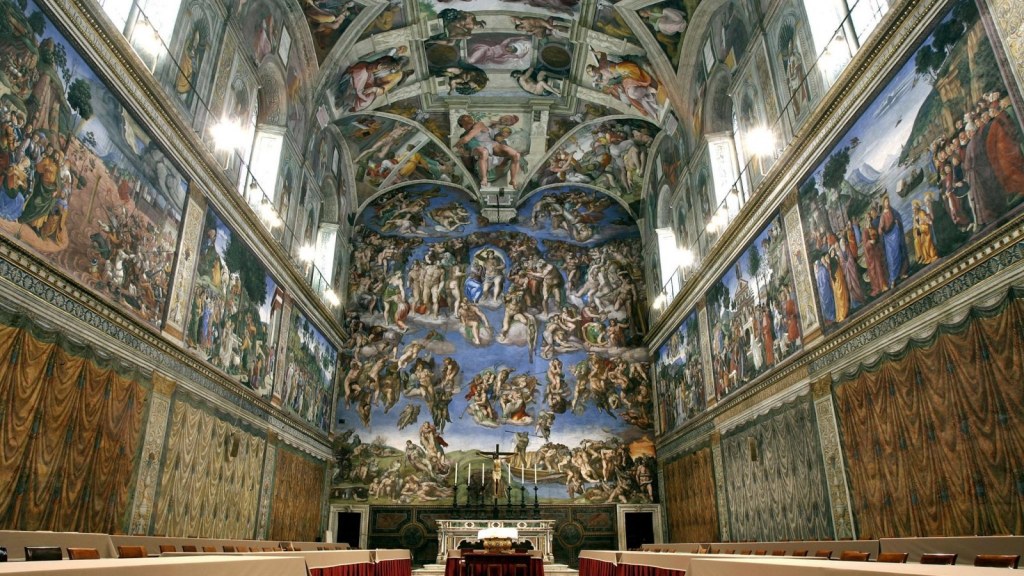
The beauty of the Sistine Chapel
Perhaps the Sistine Chapel is considered the most valuable asset of the Vatican Museums. It has never failed to win the hearts of the millions of travelers who happen to pass by the Vatican. It has barrel-vaulted ceilings, divided by a marble screen. But what essentially makes this place even more amazing are the various artworks and frescoes that are not only beautiful but also tell Catholic Christian stories such as the lives of Jesus Christ and Moses. The artworks were conceptualized and designed by Michelangelo for the Pope at the time, Pope Julius II. It was supposed to depict only the twelve apostles, but Michelangelo insisted, and soon it contains an entire religious theme: humanity’s waiting for the birth of Jesus Christ.
 watershopbd.health.blog