The Industrial Revolution took place in the early 18th century starting in Great Britain and spreading globally. During the period of the Industrial Revolution, the greatest changes were experienced at the social, technological and economic level of humanity.
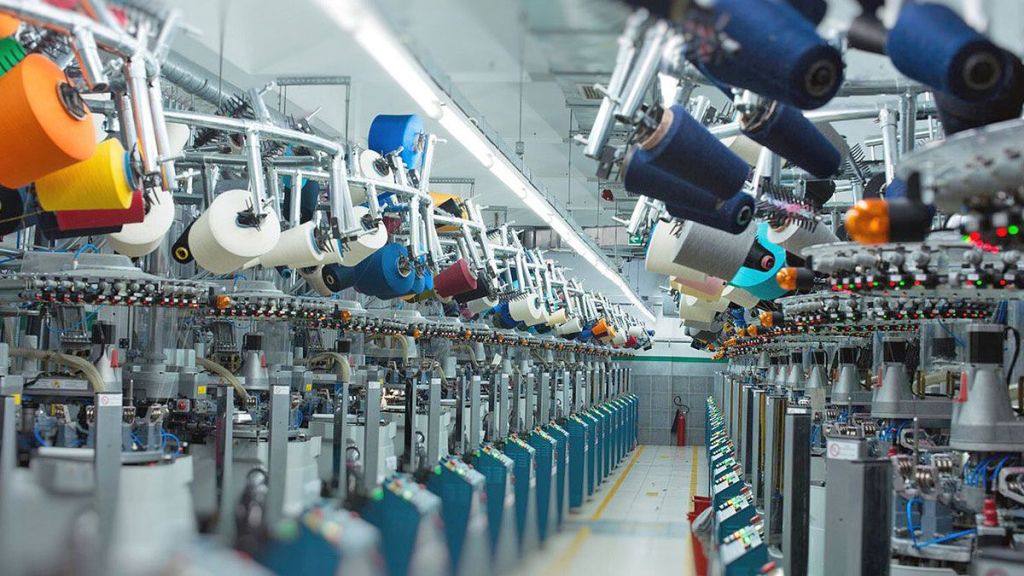
The change started with the most revolutionary invention in all of history: the steam engine. This would propel the ensuing revolution and the impulse of society to a professional and social future totally different from what the population was used to.
FIRST CHANGES IN INDUSTRIAL TEXTILE MACHINES
Mechanical and technological changes facilitated and improved factory production. One of the factory sectors that was influenced by all these advances was the textile factories. The textile industry apparel manufacturer in bangladesh was already one of the most important in society at the beginning of the 18th century and, after the industrial revolution, it gained even more notoriety.
The machines were, for the most part, powered by steam, although other types of energy are being used, such as wind power, among others. The railroad and the steam engine facilitated the transport of goods, that allowed to increase the trade of these and, therefore, as more was sold, more was produced.
What were the most important inventions of the industrial revolution?
What were the most important inventions of the industrial revolution?
During the first stage of the Industrial Revolution, many natural means and energies were exploited, capitalism was established as a world economic system and different social classes appeared, such as the proletariat and the industrial bourgeoisie, in which the entrepreneurs of the factories and companies that formed part they came out beneficial from this process of social, economic and technological change.
These improvements in machinery, transport and commerce, led to the abandonment of the populations in the countryside to move to the cities where the level of opportunities was increasing and there were more resources in all areas of society.
EVOLUTION OF INDUSTRIAL TEXTILE MACHINES
The textile industry began as a set of manual processes. When the time of the Industrial Revolution arrives, the processes change with the new industrial machinery that facilitates the making and production of fabrics from raw materials.
The change from working in small workshops to working in large factories, especially of cotton fabrics, causes an increase in the production and consumption of this material. Cotton was one of the materials, whose production was greatly increased.
Other machines were also invented such as shuttles that produced at a much higher level compared to before the Revolution and all the mechanical and technological changes of the time. more
These changes brought about great profits and benefits, both for the entrepreneurs and for the society of the time, production is increased with lower costs and, as we have said before, the era of capitalism begins as we know it today.
INVENTS OF THE XVIII CENTURY THAT CHANGED THE RHYTHM OF SOCIETY
The invention of the steam engine changes the cycle of society and humanity as it was known until now. But there were other inventions that also changed the rhythm of society and the way we do things from day to day.
Spinning machine. Very significant increase in production in textile factories. It allows to spin fine and thick threads.
Cotton gin. Cotton became one of the first materials in textile production, but its collection and separation was very complicated and tedious, which reduced production. With the invention of this machine, production is increased and the United States becomes the main exporter of cotton.
Power loom. It allowed inexperienced people to work with these machines, thanks to the already incorporated templates. In this way the production could be the same, even if there was no work experience.
Telegraph. The invention of the telegraph changes the conception of communication that was known until now. Long-distance communications grew at the same time that factory production grew, which facilitated commercialization.
 watershopbd.health.blog